


According to the Centers for Disease Control and Prevention (CDC), malaria takes the lives of over 600,000 people each year, making it one of the deadliest infectious diseases on earth.
Although it was eradicated in the United States over 70 years ago, this mosquito-borne illness remains a leading cause of death worldwide, disproportionately affecting young children and pregnant women.
During my time in Congress, I have had the privilege to travel throughout Africa, where I saw firsthand the devastation malaria leaves in its wake. In 2022, 95 percent of all reported malaria cases and 96 percent of malaria-related deaths occurred on the continent. These numbers are staggering and heartbreaking, especially because malaria is preventable, treatable and curable.
Fortunately, Americans from all walks of life — from elected officials to charitable organizations — are dedicated to making a meaningful difference.

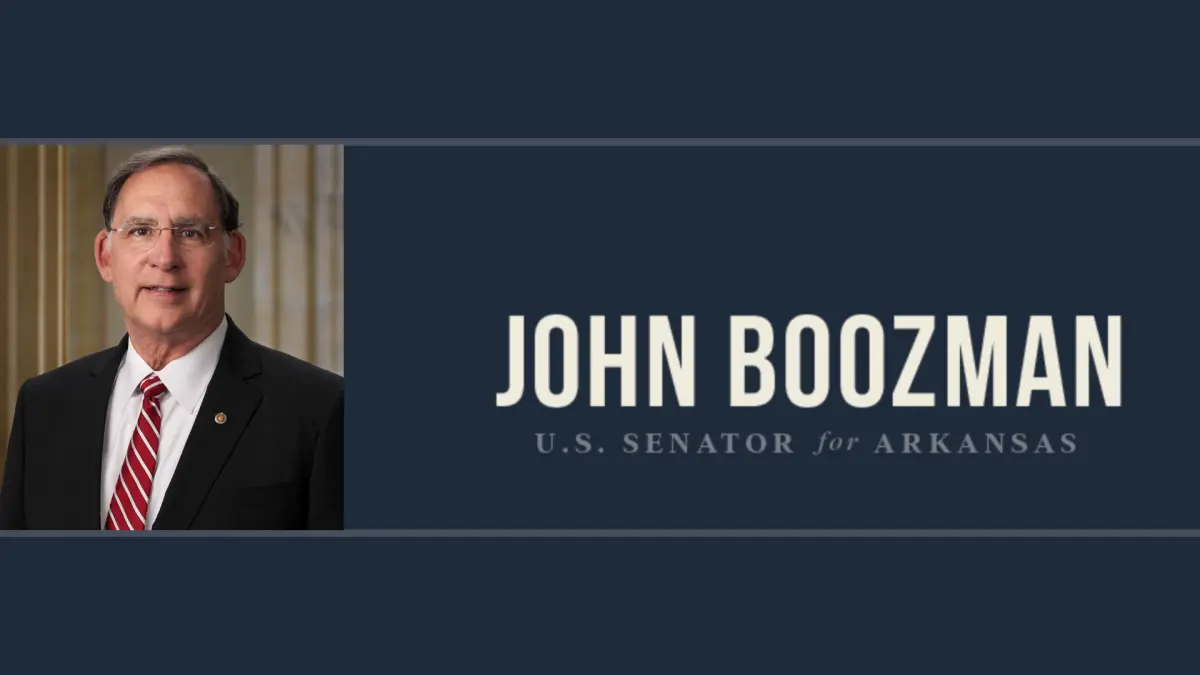
As a member of the U.S. House of Representatives representing Arkansas’s Third Congressional District, I served on the Foreign Affairs Committee and, with my former colleague Rep. Donald Payne (D-NJ), founded what is now the Congressional Malaria and Neglected Tropical Diseases Caucus in 2008. Working together, we helped build a bipartisan effort to advance policies aimed at eradicating malaria, specifically by bolstering humanitarian relief programs that save lives and simultaneously build goodwill towards the U.S. around the globe.
Malaria can be prevented through low-cost interventions such as insecticides, treated bed nets and antimalarial drugs. Medication to protect against the disease has proven incredibly effective. With these advancements, the world is closer than ever to ending malaria in our lifetime.
It has been inspiring to see how the fight to eliminate malaria has resonated with both Democrats and Republicans over many years. The consensus around fighting malaria comes from a shared belief that it is a practical and worthy object of our attention, time and resources.

For as long as I have been involved with this issue, I have been encouraged to witness the extreme compassion and generosity embodied by the American people in their support for this effort. The rest of the world and particularly developing countries look to the U.S. for leadership and assistance, and in turn, we have been able not just to supply our resources and attention but also organize and rally lasting support from other nations.
One major force in the fight against malaria has been the U.S. President’s Malaria Initiative (PMI), which celebrates its 20th anniversary this year. The program, established by President George W. Bush, has reduced malaria deaths by around one-third, largely due to the focused partnerships between local governments, stakeholder groups, faith communities and charitable organizations. Today, the United States is the largest donor to global malaria efforts and due to our involvement, 47 countries have been certified as “malaria-free.”

The PMI represented a powerful commitment to turn the tide against malaria in Africa and around the world, which it certainly did. I remain grateful for the support President and Mrs. Bush demonstrated for this fight as well as the congressional effort I was blessed to help lead.
Ultimately, saving lives from malaria helps pull nations out of poverty, reduces instability and enhances U.S. diplomacy. Eliminating malaria is a critical step in fostering economic growth and even further reducing the need for future, costly humanitarian assistance.
I’m pleased that we continue to build off these efforts and that Americans are engaged with fighting infectious disease and lifting communities around the world.